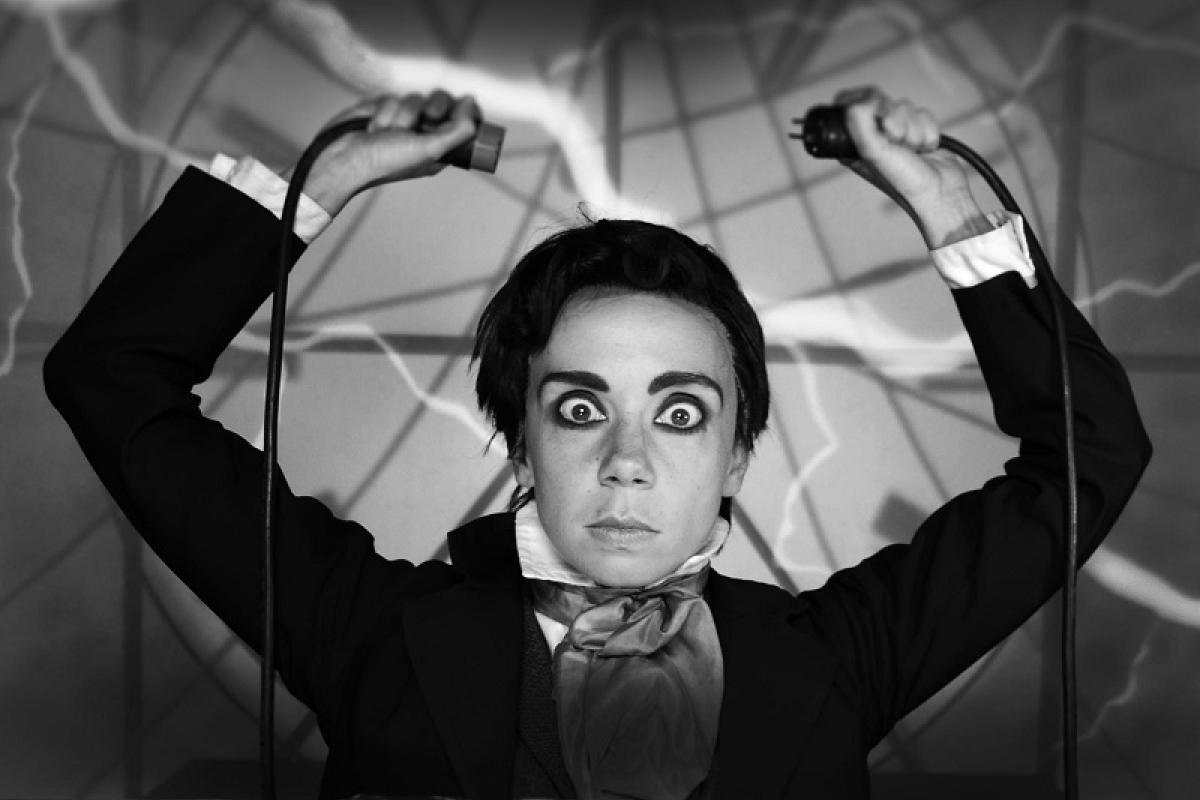
Since its publication in 1818, Mary Shelley's “Frankenstein” has remained one of the most influential and frequently reimagined stories in literature. More than two centuries after Mary Shelley’s novel first appeared, the story continues to inspire films, television shows, plays, comic books and even Halloween costumes. Yet despite its familiarity, “Frankenstein” remains as thought-provoking today as it was when it was first published.
This fall, the Wisconsin Union Theater invites audiences to experience the timeless tale in a new way when Manual Cinema brings its innovative production of “Frankenstein” to Madison.
A story from imagination and science
“Frankenstein,” written in 1816 by 18-year-old Mary Shelly as a challenge to write a ghost story by famous poet Lord Byron. Shelly drew upon themes of cutting-edge scientific debates about electricity, personal grief and a terrifying nightmare to create the science-fiction classic. Shelley created what many consider the world's first sci-fi novel. Once the book was published in 1818, it gained subtle literary traction, but Shelley's revised 1831 edition helped solidify its place in popular literature.
Why do we keep telling this story?
Very few novels have been adapted as frequently as “Frankenstein” has. Since the early 1900s, audiences have encountered countless interpretations across stages and screens. From the iconic 1931 Universal film starring Boris Karloff to modern retellings that reimagine the characters and themes for new generations.
Each adaptation reflects the fears and questions of its own era. Earlier versions highlighted horror, while contemporary interpretations often discuss scientific ethics, environmental responsibility and human connection.
A fresh perspective through Manual Cinema
Rather than simply retelling Shelley’s novel, Manual Cinema offers an interpretation that blends the fictional story with the life of its young author.
Using live actors, handcrafted puppets, miniature sets, shadow puppetry, live music and cinematic projection, the ensemble creates a film in real time. Cameras capture every movement on stage, projecting the performance into a production that feels like watching both a live play and a movie simultaneously.
As Manual Cinema describes the production:
"Manual Cinema stitches together the classic tale of “Frankenstein” with the biography of the original novel's author, Mary Shelley, to create an unexpected story about the beauty and horror of creation. The real-life and fictional narratives of Shelley, Victor Frankenstein, and Frankenstein's monster expose how family, community, and education shape personhood—or destroy it by their absence."
By placing Shelley’s own experiences alongside the story she created, the production reveals new emotional depth while inviting audiences to reimagine one of literature's most recognizable monsters.
Experience Frankenstein in a whole new light
Whether you’re a lifelong fan of Mary Shelley’s novel, familiar only with the famous monster or simply interested in seeing an unforgettable theatrical experience, Manual Cinema’s “Frankenstein” offers something unique.
Combining innovative puppetry, live performance and cinematic storytelling, this production breathes new life into a story that has captivated audiences for more than 200 years.
Don’t miss the opportunity to experience “Frankenstein” reimagined when Manual Cinema comes to Madison on Oct. 23. Learn more about the performance and reserve your seats before they’re gone at union.wisc.edu/events-and-activities/event-calendar/event/theater-manual-cinemas-frankenstein-0.